
Displaying items by tag: chicago theatre
Playmakers Lab’s That’s Weird Grandma’s 25th Birthday is a fine place to giggle
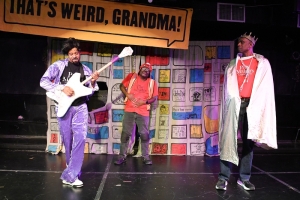
If you need an energy boost, skip the can of Monster and get yourself, plus loved ones of any age, to Playmakers Lab’s tasty birthday cake of a show. The very first edition of That’s Weird, Grandma, culled from Chicago elementary school students’ stories, occurred in the spring of 2001. The revue has somehow survived 9/11, Covid, funding cuts and all other slams against children’s wildest dreams and highest hopes.
No wonder director Brandon Cloyd and the cast can’t hide their excitement. Presented for the last 25 years at the Neo-Futurist Theater, That’s Weird, Grandma provides an hour of escape from adult common sense. It is rough hewn stuff, as scrappy in production and performance values as the gritty venue itself. But it’s a fine place to giggle at the audition of a giraffe who desperately wants to join the circus or a song about a burping bunny.
Cloyd’s intensity as he welcomes the audience reflects the entire project. What goes on in kids’ heads – and later on paper – matters enough to these dedicated grownups to say it out loud and in full volume. Young imaginations may lack both polish and boundaries, but the tales they generate don’t necessarily need a formal beginning, middle or end; or a neat divide between fact or fiction.
For example, “My Sister Fell” gets no farther than a little girl falling on some garbage and crying. “Rose Saves Tony” refers to Lake Michigan as an “ocean” which, given its vastness, makes perfect sense. With sheer glee, the ensemble performs the scene that gave birth to Playmaker Lab’s show title a quarter century ago – a grandma’s “weird” explanation of why her teeth are gleaming white.
Notable among the more complete sketches, “Egg Adventures” has the last remaining egg in a container urgently asking its commander via walkie-talkie to send reinforcements. Out come hens who lay more eggs, even as the commander warns, “Some of you will not be coming back.”
Ensemble members, who serve as teaching artists for the creative writing residencies, celebrate their double duty as educators and performers throughout the show. In addition to the current cast, actors from prior productions lend cameo performances – a nod to the past and a hope that Playmakers Lab can keep its weirdness going for years to come.
Runtime: 1 hour
Remaining show dates: Saturday Aug. 29, Sunday, Aug. 30, Saturday, Sept. 5 and Sunday, Sept 6; all performances at 2 pm
Playmakers Laboratory at Neo-Futurist Theater: 5153 N. Ashland Ave, Chicago
Tickets: www.playmakerslab.org.
The Humanities - Victory Gardens Theater - Through October 4th

Victory Gardens Theater (2433 N. Lincoln Avenue), an historic incubator for new play development, proudly announces the World Premiere staging of The Humanities, a contemporary new work by acclaimed playwright Zayd Ayers Dohrn, directed by veteran Chicago talent Eddie Torres. The Humanities is a provocative, ripped-from-the-headlines story that explores the events after a controversial speaker is invited to lecture at an elite American university. Performances of The Humanities begin Thursday, September 10, and continue through Sunday, October 4, 2026; the official Opening is Sunday, September 13, at 6 p.m.
The all-Chicago cast of The Humanities includes Ernest Bentley, Steve Pickering, Isa Arciniegas, Naomi Evans, Daniil Krimer, Devaughn Asante Loman, Piper Murphy, Derrick Sanders III, and Sabine Wan with understudies Alexander Chance, Avery-Slade Fountain, and Clara Imon Pedtke, while the creative team includes Edward D. Richardson (Stage Management), Jayce Lewis (Assistant Stage Management), David Woolley (Fight Choreography), Julie Granata-Hunicutt (Intimacy Direction), Maren Rosenberg (Production Management), Brian Sydney Bembridge (Lighting/Scenic Design), Myron Elliott (Costume Design), and Johnny Johnathan (Sound/Production Design).
"I wrote The Humanities years ago, thinking about the forces that seemed to be tearing America apart and leaving the country vulnerable to an authoritarian takeover," said Ayers Dohrn. "If anything, the themes of the play – identity, race, protests on college campuses, and political violence – have only become more relevant, and this feels like the perfect moment to premiere a new play about the impulses that divide us and about our collective search for a more perfect union."
"For over 50 years, Victory Gardens Theater has nurtured and produced relevant, new work that reflects the diverse stories of the community and contributes to the vitality of American theater. Hiring an all-Chicago cast to perform The Humanities further reinforces Victory Gardens' commitment to investing in the city's exceptional artistic talent and elevating Chicago voices," added Torres, also Victory Gardens Interim Artistic Director.
Zayd Ayers Dohrn is the author of the acclaimed national bestselling memoir Dangerous, Dirty, Violent, and Young and creator of the hit podcast Mother Country Radicals. His plays include Revolution(s) (the Goodman), The Profane (Playwrights Horizons), Outside People (The Vineyard), and Reborning (The Public/SPF). Ayers Dohrn is the Daniel Hale Williams Professor and Director of the MFA in Writing for Screen + Stage at Northwestern University. The Humanities was developed by Ayers Dohrn during a residency at the Eugene O'Neill Theater Center's National Playwrights Conference in 2019, under Preston Whiteway, Executive Director, and Wendy C. Goldberg, Artistic Director, and in partnership with the Goodman Theatre, Chicago, in the 2019 New Stages Festival, under Robert Falls, Artistic Director, and Roche Schulfer, Executive Director.
Eddie Torres is an acclaimed director & performer. He has won five Jeff Awards, notably for Best Director for the premiere of The Elaborate Entrance of Chad Deity, a Latin ACE Award, and an ATI Award. He is a professor at the University of Illinois Chicago, the Artistic Director Emeritus of Teatro Vista Productions, and is a member of the Stage Directors and Choreographers Society.
Performance schedule & ticket pricing
The Humanities will be performed in a limited engagement Thursday, September 10, through Sunday, October 4, 2026, with its official Opening on Sunday, September 13, at 6 p.m. Performances take place on Thursdays and Fridays at 7:30 p.m.; Saturdays at 2:30 and 7:30 p.m.; and Sundays at 3:00 p.m. (with the exception of September 13). Please note, this work contains mature themes including sexual content, strong language, and partial nudity, and is not suitable for children under 17 without parental guidance. Tickets, which start at $55, are now on sale by visiting eventbrite.com. Use promo code PREVIEW to receive 25% off all Adult and Senior tickets for performances on September 10, 11, and 12. For information about group rates and discounted ticket packages, please contact the Victory Gardens Theater Box Office at This email address is being protected from spambots. You need JavaScript enabled to view it..
About Victory Gardens Theater
Victory Gardens Theater serves as a sanctuary for fearless artistic exchange, producing new work that ignites the imagination and challenges the mind. Since its founding in 1974, the nonprofit theater company Victory Gardens Theater has produced more world and Chicago premieres, worked with more living playwrights, and exported more new plays for production elsewhere than any other theater in the region. Victory Gardens Theater strives to be a national leader in bringing stories to the stage that ignite social change and strengthen community, creating a more just and compassionate world. Victory Gardens Theater is currently under the direction of Interim Executive Director Archana Vaidya and Interim Artistic Director Eddie Torres. For more information, please visit victorygardens.org.
Kowalski - Lookingglass Theatre - Through October 25
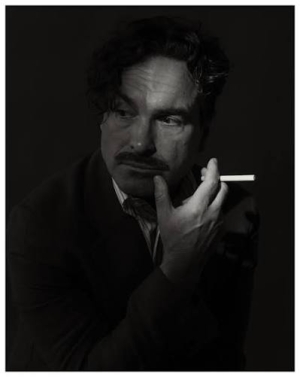
Joining the previously announced stars of Kowalski Johnny Galecki ("The Big Bang Theory," "The Little Dog Laughed") as Tennessee Williams and Jacob Moskovitz ("Elle") as Marlon Brando are Alison Cimmet as Margo Jones, Reece Dos Santos as Pancho and Ellie Ricker as Jo. The celebrated new play by Gregg Ostrin, directed by Colin Hanlon, will come to Chicago's Lookingglass Theatre Company at the historic Water Tower Water Works, 163 E Pearson St. at Michigan Ave., playing September 15–October 25, 2026.
The creative team includes David Gallo (scenic designer), Lisa Zinni (costume designer), Jeff Croiter (lighting designer), Bill Toles (sound designer), Amanda Herrmann (props supervisor), Chels Morgan (intimacy director), Viveca Gardiner (associate scenic designer), Grace Wylie (assistant to the costume designer), Riva Fairhall (associate lighting designer), Sun Hee Kil (associate sound designer), J.P. Elins (production stage manager), and Tess Golden (assistant stage manager).
The understudies include Andrew Schoen (Tennessee Williams), Marck Kiselevach (Marlon Brando & Pancho), and Paige Cilluffo (Margo Jones & Jo).
Tickets are available at lookingglasstheatre.org and 312.337.0665. Kowalski is a part of the 26/27 Lookingglass Membership and Subscription Series. Single tickets range from $37 to $97, with a limited number of premium seats also available.
Set over one pivotal evening in 1947 Provincetown, Kowalski imagines the electrifying first meeting between Tennessee Williams and a young Marlon Brando, just as Williams searches for the actor who would forever change the destiny of A Streetcar Named Desire. Blending fact, memory, and theatrical imagination, the play offers a fascinating glimpse into the creative forces behind one of the most influential works in American theater. Kowaslki explores the intersection of ambition, artistry, desire, and the creation of theatrical history.
JOHNNY GALECKI (Tennessee Williams) is an acclaimed actor best known for his starring role as 'Leonard Hofstadeter' on the award-winning CBS comedy "The Big Bang Theory," for which he earned Emmy, Golden Globe and SAG award nominations. He first gained widespread recognition as 'David Healy' on the groundbreaking sitcom "Roseanne" and has appeared in numerous film and television projects throughout his career including Hancock, Vanilla Sky, I Know What You Did Last Summer, Suicide Kings, In Time and National Lampoon's Christmas Vacation. His stage credits include the Tony Award-nominated Broadway play The Little Dog Laughed for which he received a Theater World Award for Outstanding Broadway Debut, The Drawer Boy, Pot Mom, The Member of the Wedding and Galileo.
JACOB MOSKOVITZ (Marlon Brando) is a rising talent delivering versatile and engaging performances across film and television. Most recently, he starred in the highly anticipated Legally Blonde prequel series ELLE from Amazon and Hello Sunshine, which has already been renewed for a second season.
Moskovitz recently completed production on the Fernando Meirelles-directed Netflix feature Here Comes the Flood, appearing alongside Robert Pattinson, Denzel Washington, and Daisy Edgar-Jones. Earlier this year, Jacob also starred in Seth Meyers' produced feature Brian, which premiered to strong reviews at SXSW. He can currently be seen in the independent feature The Floaters, which was released July 10, 2026. Additional film credits include the A24 feature Y2K, directed and written by Kyle Mooney and Evan Winter, as well as Isle Child, directed and written by Thomas Percy Kim. On television, Jacob's credits include "Chicago P.D." (NBC), "The Good Fight" (Paramount+), Magnum P.I. (NBC), and "FBI: International" (CBS).
ALISON CIMMET (Margo Jones) has performed on Broadway in Gary, Amelie, She Loves Me, The Mystery of Edwin Drood, Bonnie & Clyde, Baby, It's You!, and A Tale of Two Cities. Off-Broadway/Regional favorites: Freya in Any Minute Now (HERE Arts Center); Margo Jones in Kowalski (Duke); Nelle in Someone Spectacular (Signature); Lady Capulet in Romeo & Juliet (Westport Country Playhouse); Witch in Into the Woods (Fiasco/The Old Globe); Mrs. Cratchit in A Christmas Carol (McCarter Theatre); Madame Thenardier in Les Miserables (NCT); 3 Kinds of Exile (Atlantic Theatre); Preparedness (Bushwick Starr); My Wonderful Day (Two River Theatre). Film/TV favorites: Best Medicine, The Wrath of Becky, The Big Sick, The Marvelous Mrs. Maisel, Ray Donovan, Blacklist, Younger, Bull, Evil, Dickinson, Law & Order: SVU. Alison is a graduate of Brown University, founder of Bonfire Theatre Group, and member of The Actors Center.
ELLIE RICKER (Jo) began her career as a professional Ballet dancer before earning her BFA in Theatre from Boston University. TV/Film credits include "Anne of Green Gables," "Blue Bloods," 12 and More Omissions (SAIFF Best Actor Award) and A24's Y2K, directed by Kyle Mooney. She is reprising her role from the recent off-Broadway production of Kowalski.
REECE dos SANTOS (Pancho) New York City-based and making his Chicago debut—stoked to finally be here! Film: The Man I Love (dir. Ira Sachs; 2026 Cannes Film Festival Palme d'Or nominee), Triumph of the Will. TV: The Equalizer (CBS), New Amsterdam (NBC), American Rust (Showtime). Off-Broadway: Romeo & Juliet (The Public's Delacorte Theater), The Irrepressible Magic of the Tropics (INTAR). Regional: All My Sons (Hartford Stage), Pride & Prejudice (Cleveland Play House), Flowers of Hawaii(Chautauqua Theater Company), A Welcome Guest (CATF), Measure for Measure and Sofonisba (Theater at Monmouth). MFA: NYU Graduate Acting, Class of 2023.
GREGG OSTRIN (Playwright) A native of Los Angeles, his most recent plays include A Very Streaming Christmas and The Spy Who Went Into Rehab (Pacific Resident Theatre, Venice, California), The Soul of Motown (Stage West Theater, Calgary), Truffles (Secret Door Theater, New York City) and Rank & File (Hudson Theater, Los Angeles). His play The Beverly Hills Hotel Peace Talks just had its premiere staged reading at The Coachella Valley Rep in Palm Springs, California for its Origins series. It will be opening there in May 2025. He dedicates this play to his former mentor, the late George Furth.
COLIN HANLON (Director) is an actor, writer, director, and producer living in New York City. He most recently directed Broken Snow (with Tony Danza, Tom Cavanagh and Michael Longfellow). He also directed I Love You Because-a queer retelling in NYC, The 25th Annual Putnam County Spelling Bee and co-directed It's Only a Play at George Street Playhouse. He's the co-producer & star of Submissions Only. He's also an adjunct professor at NYU New Studio, LIU, Stella Adler, and Cap 21. He teaches auditioning and self-tape technique at his private studio. Still a working actor as he's been on "Modern Family," "Difficult People," "The Sinner," "The Good Fight" and currently "Uncoupled" on Showtime. Broadway: Falsettos, Rent, Wicked (First National Tour) and In Transit. Off-Broadway: NYC premiere of Dot by Colman Domingo (Vineyard Theater, dir. Susan Stroman), A.R. Gurney's last play Final Follies dir. David Saint (Cherry Lane) and I Love You Because (original cast).
About Lookingglass Theatre Company
Founded in 1988 by graduates of Northwestern University, Lookingglass Theatre Company is a nationwide leader in the creation and presentation of new, cutting-edge theatrical works and in sharing its ensemble-based theatrical techniques with Chicago-area students and teachers through Education and Community Programs. Guided by an artistic vision centered on the core values of collaboration, transformation and invention, Lookingglass seeks to capture audiences' imaginations leaving them changed, charged and empowered. Recipient of the 2011 Tony Award for Outstanding Regional Theatre, Lookingglass has built a national reputation for artistic excellence and ensemble-based theatrical innovation. Notable world premieres include Mary Zimmerman's Tony Award-winning Metamorphoses and The Odyssey, J. Nicole Brooks' Her Honor Jane Byrne, David Schwimmer's adaptation of Upton Sinclair's The Jungle and Studs Terkel's Race: How Blacks and Whites Think and Feel about the American Obsession, Matthew C. Yee's Lucy and Charlie's Honeymoon and David Catlin's circus tribute to Lewis Carroll, Lookingglass Alice, which was captured by HMS Media and reached 1.6 million PBS viewers. Looking Alice is now available to more than four million students worldwide through Digital Theatre+. Work created by Lookingglass artists has been produced in Australia, Europe and dozens of cities throughout the United States.
Chicago Shakespeare Theater announces Two Shakespeare Productions in Repertory beginning October 13 - January 3

|
||||||
|
||||||
|
||||||
|
||||||
|
Babes With Blades's announces William Shakespeare's KING LEAR, October 15 - November 21

Babes With Blades Theatre Company’s (BWBTC), now presenting the world premiere of yo ho. through August 29 at The Edge Off-Broadway, shares the cast and creative team for the final production in its 2026 season, William Shakespeare’s King Lear, directed by Alison Dornheggen and fight choreography by Jess Pennachio, October 15 - November 21 in Theatre 3 at Theater Wit, 1229 W. Belmont. The running time, including intermission, is approximately two hours and 20 minutes. Preview performances are Thursday, Oct. 15 and Friday, Oct. 16 at 8 p.m. The performance schedule is Thursdays – Saturdays at 8 p.m. and Sundays at 3 p.m. The open caption performances are Saturday, Nov. 7 at 8 p.m. and Sunday, Nov. 8 at 3 p.m. and Thursday, Nov. 12 and Friday, Nov. 13 at 8 p.m. The sensory friendly performance is Sunday, Oct. 25 at 3 p.m. with the fully masked audience performance, Sunday, Nov. 1 at 3 p.m. There is no performance on Saturday, Oct. 31. Streaming dates for King Lear will be announced at a future date. Tickets are $28 for students and seniors, $37 for general admission and go on sale Monday, August 31 at the Theater Wit Box Office, 773-975-8150, or at BabesWithBlades.org.
King Lear tells the complicated story of a king who divides his kingdom into thirds for his three daughters and the unforeseen struggles from this decision’s aftermath. His unraveling is parallelled by the nefarious journey of a jealous Edmund, who seeks to overtake his nobleman father’s affairs from his half-brother.
“I am thrilled that Babes are sinking their teeth into one of Shakespere’s most complex tragedies," said Artistic Director Hayley Rice. “A quote from King Lear is “‘Tis the time’s plague when madmen lead the blind,” demonstrating, like so much of Shakespeare’s work, these themes are still painfully relevant today including greed, lust for power, the shortsightedness of our leaders and familial strife. We look forward to welcoming audiences to the final production in our 2026 season with this famous tragedy.”
With storefront theater veteran Lynne Baker (she/her) in the titular role of King Lear, the cast also includes Babes With Blades Theatre Company Ensemble Members Kim Fukawa (she/her, Oswald/Duke of Burgundy, Edgar U/S); Carrie Hardin (she/her, King Lear U/S); Morgan Manasa (she/her, Earl of Gloucester); Jennifer L. Mickelson (she/her, Duke of Albany/ensemble); Jennifer Mohr (she/her, Cordelia/Fool); Thomas Russell (he/they, Edmund) and Kathrynne Wolf (she/her, Earl of Kent). They are joined by, in alphabetical order, Kim Boler (she/her, Goneril); Sarah Cushman (she/her, Goneril/Duke of Albany/ensemble U/S); Dani De la Rosa (she/her; ensemble/Edmund and Duke of Cornwall U/S); Brandi Jiminez Lee (she/her, Edgar); Sophia Lanza-Weil (she/her, Earl of Gloucester/ensemble U/S); Madeline Meyer (she/her; ensemble/Oswald and Kent U/S); Rachel Sleek Bañuelos (she/her, Regan); Ahlora Victoria (she/her, Duke of Cornwall/Regan U/S) and Brittani Yawn (she/her, ensemble/Cordelia and Fool U/S).
The production team includes BWBTC ensemble members Line Bower (they/them, technical director); Alison Dornheggen (she/her, director); Hayley Rice (she/her, text coach); Payton Shearn (she/they, production assistant) and Laura J. Wiley (she/her, lighting designer) as well as Jessie Gowens (she/her, costume designer); Hannah Foerschler (she/her, sound designer); Tristan Hall (they/them, intimacy designer); Rose Hamill (she/her, production manager); Morgan Lazlo (they/them, scenic designer); Arielle Leverett (she/her, assistant director); Ryan Liddell (he/him, assistant fight choreographer); Elena Lindeman (they/she, props designer); Grace Elizabeth Mealey (she/her, stage manager) and Jess Pennachio (she/her, fight director).
ABOUT ALISON DORNHEGGEN, DIRECTOR
Alison Dornheggen has been working in the Chicagoland area as a director, actor, fight choreographer and administrator for more than 20 years. She received her degree in directing and acting from Columbia College Chicago and has been lucky to work with companies such as Chicago Shakespeare Theater, Idle Muse Theatre, Mercury Theater, A Red Orchid Theatre, Remy Bumppo Theatre Company, Oak Park Festival Theatre and The Factory Theater among others. She earned her MA in arts management, serving as the Theatre Graduate Fellow at American University in Washington DC and was privileged to work with the Washington Stage Guild, Ford's Theater, the Kennedy Center and award winning composer Peter Lerman. Dornheggen is also part of the theater department faculty at the Chicago Academy for the Arts and has been a proud ensemble member of BWBTC since 2003.
ABOUT JESS PENNACHIO, FIGHT CHOREOGRAPHER
Jess Pennachio has a B.A in theatre performance from UNC Charlotte and completed the Actor’s Gymnasium Professional Circus Training Program focusing in partner acrobatics and juggling. She is a trained stunt performer and an advanced actor combatant with the SAFD. She has assisted stage combat classes throughout Chicago and across the country. She has worked with Babes With Blades, The Factory Theater, Collaboraction, Rough House, Chicago Danztheatre Ensemble and the Carolina Renaissance Festival. She is a fight choreographer for stage and screen as well as a makeup artist.
ABOUT BABES WITH BLADES THEATRE COMPANY
Babes With Blades Theatre Company, for more than 25 years and moving into the future, strives to develop and present scripts focused on complex, dynamic (often combative) characters who continue to be underrepresented on theatre stages based on gender. Babes With Blades Theatre Company uses stage combat to tell stories that elevate the voices of underrepresented communities and dismantle the patriarchy.
In each element of its programming, BWBTC embraces two key concepts:
1) Folks of marginalized genders and underrepresented communities are central to the story, driving the action rather than responding or submitting to it and
2) Everyone is capable of a full emotional and physical range, up to and including violence and its consequences.
The company offers participants and patrons alike an unparalleled opportunity to experience every person as heroes and villains; rescuers and rescues; right, wrong and everywhere in between: exciting, vivid, dynamic PEOPLE. It’s as simple and as subversive as that.
LAND ACKNOWLEDGEMENT STATEMENT:
Babes With Blades Theatre Company produces theatre in venues located on the traditional homelands of the Council of the Three Fires: the Ojibwe, Odawa, and Potawatomi Nations. Many other tribes such as the Miami, Ho-Chunk, Menominee, Sac and Fox also called this area home. This region that we now commonly refer to as “The Chicagoland Area”, has long been a center for Indigenous people to gather, trade and maintain kinship ties. Today, one of the largest urban Native American communities in the United States resides in Chicago. Members of this community continue to contribute to the life of this city and to celebrate their heritage, practice traditions and care for the land and waterways.
Shattered Globe Theatre's VLADIMIR - Theater Wit - Through November 14th

Shattered Globe Theatre is pleased to open its 36th Season with the Midwest premiere of Erika Sheffer's Vladimir, an unflinching drama of resistance directed by Ensemble Member Lou Contey*, playing October 2 – November 14, 2026 at Theater Wit, 1229 W. Belmont Ave. in Chicago's Lakeview neighborhood. Single tickets ($20 – $60) are now on sale at SGTheatre.org, by calling (773) 975-8150 or in person at the Theater Wit Box Office.
Vladimir features Ensemble Members Rebecca Jordan*, Drew Schad* and Adam Schulmerich*, Associate Artist Steve Peebles+, with Isabel Alamein, Kseniya Janyan, Juliana Liscio, Laila Malak, Tristan Odenkirk and Ben Perry.
About the Production:
In a world where facts are manipulated and fear is currency, the truth becomes dangerous.
As a new authoritarian government tightens its grip on Russia, Erika Sheffer's Vladimir follows an independent journalist who uncovers a story that could expose the truth behind a nation in transition. But when every headline comes with consequences and every source becomes a target, she must decide how much she's willing to sacrifice for the story. Vladimir is a gripping political thriller about what happens when silence becomes complicity.
The production team includes Joe Shermoly (Scenic Designer), KClare McKellaston (Costume Designer), Shelley Strasser* (Lighting Designer), Christopher Kriz+ (Original Music and Sound Designer), Cecilia Chan (Props Designer), Erin Pleake (Projection Designer), Elise Kauzlaric (Dialect Coach), Maren Robinson (Dramaturg), Catherine Miller (Casting Director), Ellie Fey* (Assistant Lighting Designer), E Tylkowski (Production Manager), Nick Peebles (Technical Director), Leah Donovan (Lead Electrician), Tina M. Jach* (Production Stage Manager) and Emily Nicholas (Assistant Stage Manager).
*Denotes SGT Ensemble Member +Denotes SGT Artistic Associate
Vladimir
Playwright: Erika Sheffer
Director: Ensemble Member Lou Contey
Cast (in alphabetical order): Isabel Alamein (Daughter, Masha, TV Crew), Kseniya Janyan (Chovka, Makeup Lady), Rebecca Jordan* (Raya), Juliana Liscio (Galina), Laila Malak (Tatiana, Bartender, Book Clerk), Tristan Odenkirk (Yevgeny, Cameraman), Steve Peebles+ (Andrei, Old Man, Deacon), Ben Perry (Director, Vitaly, News Personality, Sasha), Drew Schad* (Jim) and Adam Schulmerich* (Kostya).
Location: Theater Wit, 1229 W. Belmont Ave., Chicago
Dates: Previews: Friday, October 2 at 7:30 pm, Saturday, October 3 at 7:30 pm, Sunday, October 4 at 3 pm and Wednesday, October 7 at 7:30 pm
Opening: Thursday, October 8, 2026 at 7:30 pm
Regular run: Saturday, October 10 – Saturday, November 14, 2026
Curtain Times: Thursdays, Fridays & Saturdays at 7:30 pm; Sundays at 3 pm. Please note: there will not be a 7:30 pm performance on Friday, October 9 or Saturday, October 31; there will be an added 3 pm performance on Saturday November 14.
Tickets: Previews: $25. Regular run: $20 - $60. Student, veteran/active military and teacher discounts available. Single tickets are available at SGTheatre.org, by calling (773) 975-8150 or in person at the Theater Wit Box Office. Season Traveler memberships starting at $55 are also available. For information on group discounts, e-mail This email address is being protected from spambots. You need JavaScript enabled to view it. or call (773) 770-0333.
About the Artists:
Erika Sheffer (Playwright, Vladimir) is a playwright and screenwriter based in Los Angeles. Her first play, Russian Transport, premiered at The New Group and went on to productions at Steppenwolf as well as other regional and international theaters. The Fundamentals was commissioned and produced by Steppenwolf. Her latest play, Vladimir was commissioned by The Geffen Playhouse and received its world premiere at Manhattan Theatre Club. Honors include the Paula Vogel Playwriting Award, multiple TCG Edgerton Grants and an Outer Critics Circle Award nomination. She is an alum of Ars Nova Playgroup and a member of Center Theatre Group's LA Writer's Workshop. Erika has held commissions from Steppenwolf, The Geffen Playhouse, Center Theatre Group and Manhattan Theatre Club. Screen credits include Apple TV's Little America and Netflix's The Beast in Me (Writers Guild nomination). as well as multiple development rooms for Apple TV, Starz and Sony.
Lou Contey (Director, Vladimir) is a long-time Ensemble Member with Shattered Globe Theatre. He recently directed the multiple award-winning production of A View from the Bridge. Shattered Globe credits include The Manchurian Candidate, A Streetcar Named Desire, All My Sons, Who's Afraid of Virginia Woolf?, Peter Pan, Les Liaisons Dangereuse, Warhawks and Lindberghs, Holy Ghosts, Judgement at Nuremberg, Requiem for a Heavyweight, The Whaleship Essex, In the Heat of the Night, The Tall Girls, The Heavens are Hung in Black, and many others. Among his more than eighty directing credits are The Price, Awake and Sing!, It's All True, Copenhagen. Pravda, Paradise Lost, The General from America, A House with No Walls, Lillian, Frost/Nixon, The Guys and The Apple Family Plays, all at TimeLine where he is an Associate Artist. Other Chicago credits include The Master and Margarita (Strawdog Theatre); In a Garden (A Red Orchid Theatre); Marriage Play, Duck Variations (The Goodman Theatre) and Haymarket Eight (Steppenwolf). He has also worked at Theatre at the Center, Buffalo Theatre Ensemble, Provision Theatre, Eclipse Theatre and American Theatre Company. He has taught acting and directing for the theatre programs at UIC, The Acting Studio, Act One Studio and The Theatre School/DePaul University.
Isabel Alamein (Daughter, Masha, TV Crew, U/S Chovka, Makeup Lady, she/her) is thrilled to be a part of Vladimir! Recent favorite credits include the world premiere of Pilgrimage (Golden Thread Productions) and several feature films in post-production. Outside of acting, Isabel is a visual artist and dancer. Thank you to the production team, and to every person speaking truth to power.
Kseniya Janyan (Chovka, Makeup Lady, she/her) is an Armenian-Egyptian and Russian actress who's never quite settled anywhere, but who recently made the migration from her American home in New York to the welcoming, collaborative spirit of Chicago's creative community. Recent local credits include: King John (Circuit Theatre Company), Wish You Were Here (Remy Bumppo Theatre Company), How To Defend Yourself (Odds & Ends Theatre Company), Pigeon Whole (Eclectic Full Contact Theatre), Ubu: the King (Facility Theatre). She extends her gratitude to you and your continuous support of storefront theater, to the tireless and talented cast and crew of Vladimir, and most urgently – to the people behind the stories who fought for the humanity within them.
Rebecca Jordan (Raya, she/her) is super excited to reunite with director Lou Contey at their artistic home. Rebecca was most recently seen in the world premiere of Eelpout by Paul W. Kruse. And before that, in London Road, which received the Jeff Award for Best Production – Musical in 2024 – both at Shattered Globe Theatre, where she has been a founding ensemble member for 36 years. Other SGT favorites include Marvin's Room, Mill Fire, A View from the Bridge (Jeff nomination, best actress supporting), The Manchurian Candidate, All My Sons, Anna Karenina (Jeff nomination, best actress lead), Rocket to the Moon and Judgment at Nuremberg. Rebecca received Joseph Jefferson awards for her portrayals of Stella in A Streetcar Named Desire and for Pam in Frozen Assets at SGT. She also performed at the Goodman Theatre in House and Garden, Trojan Women and the world premiere of Rebecca Gilman's Blue Surge. In Los Angeles, Rebecca played the role of Susan opposite Ed Harris, Bill Pullman and the late Glenne Headley in the world premiere of The Jacksonian at the Geffen Playhouse, penned by Beth Henley and directed by Robert Falls. Other Los Angeles credits include The Butcher of Baraboo at The Road Theater, Fatboy (LA Ovation nomination for best comedic role) and Scarcity (LA Scenie award for best actress), both at Need Theater. Some TV credits include Chicago Med, Empire, PKD's Electric Dreams, Chicago Justice, Shameless, Eagleheart. Rebecca has just finished penning her second feature film. She is grateful and proud to be represented by Stewart Talent, Chicago.
Juliana Liscio (Galina, she/her) is thrilled to return to Shattered Globe, where she was a 2022 Protégé and understudied Catherine in A View From the Bridge (Jeff Award Winner – Best Production; Best Director). She recently made her Los Angeles theatre debut in the world premiere of Julie Shavers' The Baptist Witches of Shelbyville, starring Mamie Gummer. Chicago theatre: The Diary of Anne Frank (Young People's Theatre of Chicago), Picasso at the Lapin Agile and Brighton Beach Memoirs (Citadel Theatre), Six Stories Up (co-writer/performer, Tellin' Tales Theatre), Dracula (Surging Films and Theatrics), A Midsummer Night's Dream (understudy, Oak Park Festival Theatre), The Jacksonian (Profiles Theatre) and Take Me Back (The Poor Theatre). Tour: Space Station Safety (The National Theatre for Children). Film: Smiles, The Vigil. Her play Rambutan received a reading through Steppenwolf's LookOut series. Her writing has also been developed through Chicago Dramatists and the Inclusive Playwright Project. Training: Loyola University Chicago; Fordham London Dramatic Academy; Beverly Hills Playhouse.
Laila Malak (Tatiana, Bartender, Book Clerk, she/her) is a Chicago-based actor/singer/writer who earned her BFA in Acting from Ball State University. She was last seen in Anatomy of a Suicide directed by Alex Mallory. Other credits include: DoProcess's reading of the new musical (out), 24 hour play festival: Ad Infinitum (Sub Rosa Theatre Collective), Our Town directed by David Little, An Enemy of the People adapted and directed by Zoé Soteres, The Polar Express (Rail Events Inc.), Macbeth (Hoosier Shakespeare), The Children's Hour directed by Veronica Santoyo. Laila is thrilled to be making her Shattered Globe Theatre debut! Instagram: laila_malak24
Tristan Odenkirk (Yevgeny, he/him) is a Chicago actor making his debut at Theater Wit, one of his favorite stages in the city. Tristan received his Bachelor's in Theater from Augustana College in 2020 and graduated from the Chicago Black Box Drama School Actor's Studio training program in December of 2023. Tristan's work alternates between the professional and amateur. Most recently, he played Al Capone in Outta This World! at iO Theater. He also played Tibult with Midsommer Flight, and the lead in Trap Door's Fraudulent LLC.
Steve Peebles (Andrei, Old Man, Deacon) has worked with SGT in London Road (Jeff Winner, Best Musical, Nominee Best Ensemble) Becky Nurse of Salem, Hannah and Martin, Five Mile Lake, In The Heat of the Night, The Whaleship Essex and Our Country's Good. Other Chicago credits include: Macbeth (Three Crows), Spamalot! (The Mercury), Peter and the Star Catcher (Metropolis Performing Arts), Cyrano (Boho), Midsummer Night's Dream (First Folio) and Flanagan's Wake. Other credits: Kalamazoo Christmas! (Farmer's Alley Theater), Into The Woods (Two Pigs - Ratone, NM), The Shrew (P45 - Traverse City, MI), and seven tours with Montana Shakespeare in the Parks. Steve is an Artistic Associate with SGT, a graduate of North Central College, and has been featured on The Moth Radio Hour after winning the Moth GrandSlam in 2022.
Ben Perry (Director, Vitaly, News Personality, Sasha, he/him) is excited to be returning to SGT! Chicago credits include A View From The Bridge (Shattered Globe Theatre), Antigone, Dante 360 (Athenaeum Center), The Elephant Man (Surging Film & Theatrics), The Tragedy of King Christophe (House Theatre of Chicago), The Prodigal Prince (The Veil Theatre) and performing with the Harold Team Jackie Bass at Improv Olympics. Regional credits include Noises Off, Young Frankenstein, Murder on the Orient Express, Stranger Sings (Wolfbane Productions), The Complete Works of William Shakespeare Abridged, Parade, Newsies and The Will Rogers Follies (Alluvion Stage Company).
Drew Schad* (Jim, he/him) is excited to be back on stage at Shattered Globe Theatre, where he has been an ensemble member since 2009. Drew has appeared in over 15 SGT productions, including: Rasheeda Speaking, Sheepdog, Hannah and Martin, Crime and Punishment, Five Mile Lake, The Heavens Are Hung in Black, In the Heat of the Night, The Rose Tattoo, The Whaleship Essex, Mill Fire, Our Country's Good, Happy Now?, Her Naked Skin, Orpheus Descending, Romeo and Juliet and The Little Foxes. Other Chicago credits include: Born Yesterday (Remy Bumppo, Jeff Award Best Production Midsize) and Six Degrees of Separation (Eclipse). TV credits include: 61st Street (AMC), Chicago P.D. (NBC) and Chicago Med (NBC). Drew has studied at the National Theater Institute, and he holds a BA in Drama from Kenyon College, where he received the Paul Newman Trophy. He is a proud member of SAG-AFTRA.
Adam Schulmerich (Kostya, he/him) is an ensemble member with Shattered Globe. Recent SGT credits; Lobby Hero, Becky, Nurse of Salem and A View from the Bridge. Other recent credits; Superior Donuts (The Artistic Home), Macbeth (Lakeside Shakespeare). Recent television credits include Chicago Med and Mr. Throwback. Adam received his BFA in Theatre Arts & Film from SUNY Purchase College. He is represented by Gray Talent Group.
About Shattered Globe Theatre
Shattered Globe Theatre seeks to redefine what it means to be an ensemble theatre, discover new connections between story, artist and audience, and explore drama from bold, challenging perspectives.
Shattered Globe Theatre was born in a storefront space on Halsted Street in 1991. Since then, SGT has produced more than 80 plays, including ten American and world premieres, and garnered an impressive 53 Jeff Awards and 134 Jeff Award nominations, as well as the acclaim of critics and audiences alike. Guided by Producing Artistic Director Sandy Shinner, Shattered Globe's values are rooted in a commitment to racial equity, respect for all artists and support for the ensemble, while creating new opportunities to amplify traditionally marginalized voices and collaborate in all aspects of its work. Through initiatives such as the Protégé Program, Shattered Globe creates a space which allows emerging artists to grow and share in the ensemble experience.
Shattered Globe Theatre's Ensemble includes Judy Anderson, Louis Contey, David Dastmalchian, Demetra Dee, Joe Forbrich, Ellie Fey, Christina Gorman, Daria Harper, Kotryna Hilko, Tina M. Jach, Rebecca Jordan, Steve Kleinedler, Vivian Knouse, AmBer Montgomery, Tina Muñoz Pandya, Eileen Niccolai, Jazzma Pryor, Deanna Reed-Foster, Linda Reiter, Jeff Rodriguez, Drew Schad, Adam Schulmerich, Leslie Ann Sheppard, Sandy Shinner, Joe Sikora, Shelley Strasser, Devonte E. Washington, Sarah Jo White, Joseph Wiens and Brad Woodard.
SGT's Artistic Associates includes Daniela Colucci, Elliot Esquivel, Mikey Gray, Lawrence Grimm, Ronald Hale, Darren Jones, Christopher Kriz, Jason Lynch, Lydia Moss, Tim Newell, Jane Nix, Aila Peck, Steve Peebles, Cage Sebastian Pierre, David Antonio Reed, Angie Shriner, Abbey Smith, Hershey Suri, Michael Trudeau and Ayanna Wimberley.
SGT is supported in part by generous grants from the Shulman-Rochambeau Charitable Foundation, Brenda and James Grusecki, The Paul M. Angell Family Foundation, Carol P. Eastin, The Shubert Foundation, Judith and David Sensibar, the Illinois Arts Council, The Gaylord and Dorothy Donnelley Foundation and Americans for the Arts.
Visit SGTheatre.org for subscriptions, tickets and information, and follow the company @shatteredglobe on Facebook and Instagram.
Por’ Knockers - Greenhouse Theater’s Studio 44 - Through October 4th

This narrative tracks five individuals within the "People’s Diasporatic Party"—outfitted in corporate attire—as they take refuge in a desolate East New York residence While the group anticipates the fallout from an orchestrated bombing, hysteria takes hold, exposing the rift between their brutal insurgent schemes and abstract revolutionary principles.
Cast:
Kwame: Kevin Aoussou
Tamara: Justice Ford
Ahmed: Joseph Pryce
James: Dontaye Albert
Lance: Jimmie Rogers III
Lewis: Grayson Kennedy*
Creative Team:
Director: Makari Robinson-McNeese
Stage Manger: Shreya Khanna
Production Manager: Tommy Thams*
Producer: Tommy Thams*, Grayson Kennedy*+
Lighting Design: Emma Berry
Scenic Design: Catalina Nino
Costume Design: Grace Weir
Props Design: Ellory Jezuit
Marketing: JonMarie Johnson*
* - Denotes Ensemble Member
+- Denotes Artistic Director
About Gwydion: The Gwydion Theatre Company was formed in Los Angeles, CA by a group of actors following their completion of training in 2019. It started with doing Shakespeare in parking lots, apartments, parks, to then tackling full scale productions during the Hollywood Fringe Festival. Following the pandemic, a decision was made to move operations to Chicago, IL in order to connect with the storefront community that Chicago is renowned for. Gwydion has now served as a resident company at The Greenhouse Theater Center since 2022 and has mounted nine full-length productions, as well as co-producing Chicago’s first “Theatre of the Absurd Festival” alongside the Chopin Theatre. Gwydion Theatre aims to be a theatre of class, one that addresses the growing dominance of commercialism and pay-to-play in our artform through critical and provocative theatre that challenges the biases of the theatre community here in Chicago. Gwydion Theatre also aims to uphold the theatre as a central pillar of the identity of Chicago.
Broadway In Chicago presents Waitress at JAMES M. NEDERLANDER THEATRE OCTOBER 13 – 18, 2026

|
Broadway In Chicago is delighted to announce that single tickets for the upcoming engagement of the 10th Anniversary tour of the hilarious hit Broadway musical WAITRESS are on sale now. Featuring music and lyrics by Grammy® Award-winning singer-songwriter Sara Bareilles, WAITRESS will play Broadway In Chicago’s James M. Nederlander Theatre (24 W. Randolph St.), October 13-18. Single ticket prices range from $43.00 to $121.00 with a select number of premium seats available. See below for more ticket information and the performance schedule. Connect with WAITRESS |
|
|
|
TICKET INFORMATION (as of 8/17/26, based on availability and subject to change) |
League of Chicago Theatres hosts 2026 Spotlight Gala: Unmask the Night, Embrace the Drama October 19

The League of Chicago Theatres will host its annual benefit, the 2026 Spotlight Gala: Unmask the Night, Embrace the Drama at City Hall – Recess, 838 W. Kinzie St. on Monday, October 19, 2026. The evening will celebrate the rich legacy of Chicago theatre. More than 300 friends of Chicago theatre are expected to attend to raise funds to support the League's programs, which uplift Chicagoland's member theatre companies.
Individual tickets are available for $350 per person, and all proceeds benefit the League of Chicago Theatres which promotes, supports, and advocates for theatre in Chicago. To purchase tickets, or for sponsorship opportunities and participation information, visit https://leagueofchicagotheatres.org/gala/ or call (312) 554-8900. The celebratory evening will include a cocktail hour, the awards ceremony and a dessert reception with entertainment by local theatre companies, to be announced.
The event will honor Luther Goins with the Tribute Award, Ellen Placey Wadey of the Gaylord and Dorothy Donnelley Foundation, with the Philanthropic Award and Ron OJ Parson with the Lifetime Achievement Award. The winner of the Broadway In Chicago Emerging Theatre Award will be announced and presented at the event. Nominated by a committee of industry professionals, educators and League of Chicago Theatres board members, three finalists are selected each year, and from those, a majority vote from the League membership determines the winner. The award was created in 2007 to encourage, support, and promote young theatres in Chicago that have demonstrated great ability, promise, artistic excellence, and fiscal responsibility in business practices. Broadway In Chicago provides a $5,000 cash prize to the winning company. Previous award recipients include: The Story Theatre, Interrobang Theatre Project, Perceptions Theatre, Broken Nose Theatre, Route 66 Theatre Company, Sideshow Theatre Company, Jackalope Theatre Company, Oracle Productions, The House Theatre of Chicago, Silk Road Theatre Project (now Silk Road Rising), the side project, Steep Theatre, The New Colony, Theatre Seven of Chicago and 16th Street Theater.
Nominations are now open for the Broadway in Chicago Backstage Champion Award, which recognizes the contributions of an unsung, behind-the-scenes hero and carries a $1000 award. Nominations can be submitted here: https://leagueofchicagotheatres.app.neoncrm.com/forms/broadway-in-chicago-backstage-champion-award-nomination-form.
Applications are also open for the Broadway In Chicago Emerging Theatre Award here: https://leagueofchicagotheatres.org/broadway-in-chicago-emerging-theatre/. Nominated by a committee of industry professionals, educators and League of Chicago Theatres board members, five finalists are selected each year, and from those, a majority vote from the League membership determines the winner. Broadway In Chicago provides a $5,000 cash prize. Previous award recipients include: Previous award recipients include: The Story Theatre, Interrobang Theatre Project, Broken Nose Theatre, Route 66 Theatre Company, Sideshow Theatre Company, Jackalope Theatre Company, Oracle Productions, The House Theatre of Chicago, Silk Road Theatre Project (now Silk Road Rising), the side project, Steep Theatre, The New Colony, Theatre Seven of Chicago and 16th Street Theater.
About Chicago theatre
Chicago theatre is the leader in the U.S. with more than 250 theatres throughout Chicagoland, comprising a rich and varied community ranging from storefront, non-union theatres to the most renowned resident theatres in the country, including 6 which have been honored with Regional Tony Awards, and the largest touring Broadway organization in the nation. Chicago's theatres serve 5 million audience members annually and have a combined budget of more than $250 million. Chicago produces and/or presents more world premieres annually than any other city in the nation. Each year Chicago theatres send new work to resident theatres across the country, to Broadway, and around the world. For more information, visit www.chicagoplays.com.
The League of Chicago Theatres' Mission Statement
Theatre is essential to the life of a great city and to its citizens. The League of Chicago Theatres is an alliance of theatres, which leverages its collective strength to support, promote and advocate for Chicago's theatre industry. Through our work, we ensure that theatre continues to thrive in our city.
For a comprehensive list of Chicago productions, visit the League of Chicago Theatres website, ChicagoPlays.com. Available discounted tickets are listed at HotTix.org.
Hail Mary/Maria at Theater Wit – A Welcome New Slant on Crossing Over into Adulthood
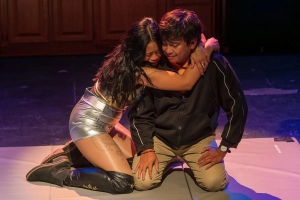
Coming of age stories resonate more profoundly when they mirror the lived reality of a real person. That’s why the firecracker of a play, Hail Mary/Maria, that’s just begun its far too short run at Theater Wit, is must-see theater for just about anybody who counts themselves as a member of the human family. If you’ve ever been young or wracked with self-doubt, Hail Mary/Maria proves there are avenues that lead to clarity and self-actualization. Making the play act as a raucous, hugely humorous and often touching guide on how to find them.
Very much a reflection of playwright RJ Silva’s own experiences, the story follows the life of Kid (Juan Sedonio), a teenager who immigrated to the US with his mother from the Philippines when he was in the seventh grade. Now in an all-boys high school, he’s a little bit of a loner and completely hooked on the exploits of his favorite pro-wrestler, Maria. He’s also, with great misgivings, about to embark on his first journey into romance.
A badass brawler with heart, it’s Maria we first meet when the play opens. She pumps up the crowd with her bravado, high voltage smile and saucy hair flips. A stark contrast with the subdued and self-enclosed Kid, Maria’s the bolt of energy that serves to ignite a story that’s about to match her spirit.
The core of the play starts innocently enough in school with Kid, which is short for Kindness, sitting alone listening to music through his earbuds. He’s joined by another student who casually strikes up a conversation. Confident and friendly, the boy is feeling Kid out, trying to learn more about him. He trips over the typical stumbling blocks when it comes to pronouncing foreign names and learning new things about a different culture. But there’s no animus. He’s open and curious. They both tap into their recall and remember being aware of each other from previous school encounters. Blond and self-assured, the new arrival’s name is Jack and it’s clear he wants to be friends. Since Jack (Aidan Leake) is really into the new Avatar movie, we can tell it’s the original he’s talking about and that the play’s setting is fifteen years or so in the past.
We can see too from their exchange that Kid, although on the surface quiet and retiring, has some spunk to him. Once he begins talking about why he’s such a fan of the wrestling phenom, Maria, played with zestful impeccability by Carina Lastimosa, we get a glimpse of his animated side. To Kid, she’s an underdog who became the top dog. An inspiration. There’s a lot of pride that comes pouring through in his admiration for her.
We meet Kid’s other role model at home. It’s his Mom, Marie (Marie Tredway). The quintessential Filipina nurse; tireless, indispensable, magnanimous, Marie’s got an iron core that’s fortified and sustained by her faith and belief in Mama Mary. A figure most of us know as the Blessed Virgin Mary. In Kid’s household, she has a shrine set up in her honor and consulted by Kid as well as his Mom for guidance and advise. Filling two roles, Lastimosa shows how easily she can portray widely divergent personalities. As Mama Mary, she beautifully personifies a potent blend of compassion and enlightened understanding when responding to Kid’s solicitations.
Scenes that take you inside Kid’s home are some of the most moving and treasured in the production. Thanks in no small part to Katelyn Montgomery’s wonderfully evocative set. They’re portals into a world rich in tradition, strongly held belief and the type of family values that insure cohesion. Attributes that on one hand are wonderfully sublime and on the other almost quaint. The types of characteristics that may have once flourished in the American culture as well; but have long since dissipated or atrophied.
Very much a collaborative effort, Hail Mary/Maria is directed by Mr. Silva’s husband, Adam Reed. The unconventionality of the central character is complemented by an equally unorthodox directorial approach in Mr. Reed’s debut directing effort. One that fills the one-act performance with heaps of emotional and physical dynamism while encouraging plenty of audience interaction.
Pro wrestling of various shades have long been extremely popular in the Philippines. From the responses of the audience Saturday night, it has a strong following in this country too. Rather than conjuring it only through the imagination, Hail Mary/Maria brings it live and center stage, giving the uninitiated a taste of its electric appeal. The ploy works beautifully, making Hail Mary/Maria as much a rewarding visceral charge as it is a splendid theatrical offering.
From that initial conversation between Kid and Jack, you somehow know Jack had more than friendship on his mind when he sat down next to Kid that day. And he likely sensed that Kid was interested in him, too. As we all know, a lot can be transmitted in a simple glance.
Kid and Jack inch their way toward understanding one another and liking each other even more as their familiarity grows. Something that triggers trepidation and even fear in Kid. How can he reconcile who he is with what he thinks should be? How that dilemma is resolved is what makes this project so appealing. There’s a wholesomeness to it that feels very honest. The solid gold cast help make Hail Mary/Maria a treasure. Both Sedonio and Leake fill their roles with the kind of intangibles that make what they present on stage memorable. A statement that’s just as true for Lastimosa and Tredway. You can’t help but want to see them all in other works that showcase their skill and gifts as well as this project one does.
The only pressing question now might be, what’s the fledgling entertainment enterprise going to roll off their runway next?
Hail Mary/Maria
Presented by Nova Entertainment
Thursday, August 20th - 7:30pm
Friday, August 21st – 7:30pm
Saturday, August 22nd - 2:30pm & 7:30pm
Sunday, August 23rd - 2:30pm
Venue: Theater Wit in Theater 2
1229 W. Belmont Avenue
Chicago, IL 60657
For more information and tickets: https://www.theaterwit.org/tickets/productions/602/performances
Highly Recommended
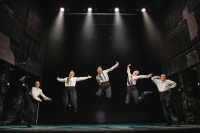
Operation Mincemeat: A Smart, Scrappy Musical That Shines When Its Cast Takes the Wheel
01 October 2026 in Theatre in ReviewIn the 2019 film Yesterday, a struggling musician wakes up in a world where The Beatles never existed. A similar…
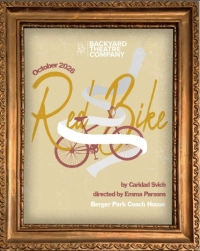
Backyard Theatre Company’s Red Bike - Berger Park Coach House Theatre - Through October 24th
30 September 2026 in Now PlayingRed Bike is an intimate, movement‑driven play that follows a young person navigating a town transforming faster than they can…

SANCTUARY STORIES - A JOURNALISM THEATER PROJECT October 9-18 at the Athenaeum Center for Thought and Culture
30 September 2026 in Upcoming TheatreThrough music, documentary video, sound, photos and live actors, “SANCTUARY STORIES: A JOURNALISM THEATER PROJECT” captures in words and images…

Red Theater presents the world premiere of CHURCH HURT October 24 - November 21, 2026
30 September 2026 in Upcoming TheatreRed Theater is thrilled to announce the cast and production team of the world premiere of Church Hurt by Brynne…
Ballets Jazz Montréal Makes Chicago debut at THE AUDITORIUM Saturday, November 7th
30 September 2026 in Upcoming DanceThe Auditorium (Chicago's landmark stage at 50 E. Ida B. Wells Drive) continues its 2026-27 Dance Season titled North American…

A Red Orchid Theatre Opens 34th Season with Chicago Premiere of HEROES OF THE FOURTH TURNING October 29 – December 6, 2026
29 September 2026 in Upcoming TheatreA Red Orchid Theatre is pleased open its 34th Season, exploring the theme of "world on fire," with the Chicago…
Lookingglass announces new leadership team
29 September 2026 in Theatre BuzzLookingglass Theatre Company today announced a new leadership structure that brings together four longtime members of its acclaimed ensemble and…
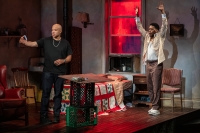
Steppenwolf’s Topdog/Underdog: When History Deals the Cards
28 September 2026 in Theatre in ReviewSusan-Lori Parks’ Topdog/Underdog, the Pulitzer Prize-winning masterpiece, is the kind of play that changes depending on when—and how many times—you…
MAMMA MIA! and HADESTOWN Return to Chicago in Spring 2027
28 September 2026 in Upcoming TheatreBroadway In Chicago is excited to announce two fan-favorite shows are returning to our stages this year: MAMMA MIA! and…
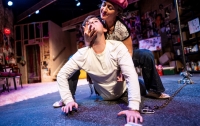
'I’m Going to Marry You Tobey Maguire,' Full of Laughs, Ends With a Fizzle
25 September 2026 in Theatre in ReviewHere’s a play that should be really good, based on its reputation alone. Written by Chicago comedy writer Samantha Hurley,…

ALL THINGS EQUAL: THE LIFE AND TRIALS OF RUTH BADER GINSBURG 2027 NATIONAL TOUR - tickets now on sale
25 September 2026 in Upcoming TheatreInnovation Arts & Entertainment, along with Broadway In Chicago, are thrilled to announce single tickets for ALL THINGS EQUAL: THE…

League of Chicago Theatres announces "It's Theatre Season" and celebrates the industry's impact
24 September 2026 in Theatre BuzzThe League of Chicago Theatres announces the return of It's Theatre Season, a campaign inviting Chicagoans and visitors to discover…

Steppenwolf Theatre Continues 51st Season with World Premiere of ADIRONDACK CHAIR CIRCLE October 22 — December 6
24 September 2026 in Upcoming TheatreSteppenwolf Theatre Company, the nation's premier ensemble theater company, is pleased to launch its 51st Season with the world premiere of…
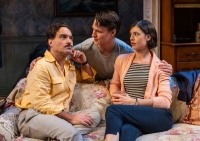
Lookingglass’ Kowalski Ignites a Battle of Wits Between Two Icons
24 September 2026 in Theatre in ReviewLookingglass Theatre’s production of Kowalski offers a gripping, fictionalized glimpse into the first meeting between two theater greats: Tennessee Williams…

Writers Theatre continues its 35th Anniversary Season with explosive, high-stakes boxing drama The Royale October 22 – November 29
23 September 2026 in Theatre in ReviewWriters Theatre, under the leadership of Executive Director Kathryn M. Lipuma and Alexandra C. and John D. Nichols Artistic Director Braden Abraham, continues…

Detroit ’67: A Basement Becomes a City on the Brink
23 September 2026 in Theatre in ReviewDetroit was burning in the summer of 1967, inside one basement, life was still going on. That contrast is at…
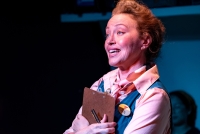
Now Boarding: Bonnie’s Last Flight, a Sky‑High Comedy with Real Heart
23 September 2026 in Theatre in ReviewRivendell Theatre Ensemble closes its milestone 30th season with Bonnie’s Last Flight, a sly, sky‑high comedy set during a flight…

Teatro Vista Productions announces season
22 September 2026 in Upcoming TheatreTeatro Vista Productions, the Midwest's only Latine-led Equity theatre company, led by Executive Director Lorena Diaz and Artistic Director Wendy…
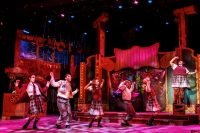
Step Right Up and Ride the Cyclone (The Musical) at Metropolis Arlington Heights
22 September 2026 in Theatre in ReviewIf anyone has ever told you to buckle up and enjoy the ride, they were talking about life—and even if…
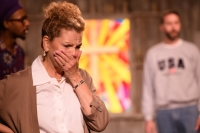
Funny ‘Prayer Circle’ Is Loaded With Laughs
22 September 2026 in Theatre in ReviewErik Gernand is resident playwright at Redtwist Theatre, and his Prayer Circle is absolutely laugh-out-loud funny. The strength of this…

Steppenwolf Presents GRACEFUL WARRIOR: AN EVENING WITH GARY SINISE - Tuesday, November 24, 2026
22 September 2026 in Upcoming TheatreSteppenwolf Theatre Company, the nation's premier ensemble theater company, is pleased to present Graceful Warrior: An Evening with Gary Sinise on Tuesday, November…

Acclaimed Mexodus musical makes Chicago premiere November 7-21 at Studebaker Theater
22 September 2026 in Upcoming TheatreStudebaker Theater, P3 Productions and Audible, in collaboration with Teatro Vista Productions, present the Chicago premiere of the groundbreaking, award-winning new hip-hop musical Mexodus, written and performed…

Arts in the Dark Parade moves to Columbus Drive due to dynamic growth, Oct. 24
21 September 2026 in Theatre BuzzLUMA8 and the City of Chicago return with the 12th Annual Arts in the Dark Halloween Parade, a family-friendly celebration…

American Blues Theater hosts its annual costumed fundraiser HALLOWEEN BOO BASH October 25th
21 September 2026 in Theatre BuzzAmerican Blues Theater, under the continued leadership of Executive Artistic Director Gwendolyn Whiteside, presents Halloween Boo Bash, its annual costumed fundraiser benefiting artists' wages…
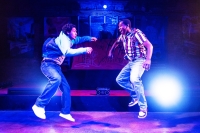
Definition's How We Got On: A Mixtape for the Stage
21 September 2026 in Theatre in ReviewWhat happens when three young people discover hip-hop and realize they might have something to say? Idris Goodwin’s How We…

Open Space Arts Presents BEFORE WE ARE HISTORY October 23 – November 8
21 September 2026 in Upcoming TheatreOpen Space Arts presents BEFORE WE ARE HISTORY, a three-week theatrical exploration of LGBTQ+ theater created during and in response to…

Northlight Delivers a Headline-Making, Hilarious Front Page
20 September 2026 in Theatre in ReviewNorthlight Theatre opened its new venue with Jeffrey Hatcher’s smart, rejuvenated adaptation of The Front Page. Commissioned by Artistic Director…
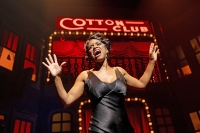
Chicago Shakes' Play On!: With a Syncopated Harlem Beat
20 September 2026 in Theatre in ReviewThere are some productions you watch, and then there are productions that make your heart swoon and your toe tap.…

Overshadowed's Flame of Fire Finds Humanity, Strength, and Forgiveness in a Tragic Chapter of Missionary History
19 September 2026 in Theatre in ReviewOvershadowed Productions’ Flame of Fire revisits one of the most polarizing true stories in mid‑century missionary history, and the result…
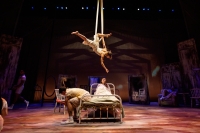
The Attic at Goodman Theatre Redefines Memoir Through Breathtaking Physical Storytelling
19 September 2026 in Theatre in ReviewAt intermission, I sent Ken, Buzz Center Stage’s managing editor, a text: “So thankful I made it!! It’s intermission, and…



Latest Articles
-
 Operation Mincemeat: A Smart, Scrappy Musical That Shines When Its Cast Takes the Wheel
Written by Maddie BurroughsIn the 2019 film Yesterday, a struggling musician wakes up in a world where The Beatles never existed. A similar theatrical case study could be done with every musical that might not exist without Hamilton; Operation Mincemeat should be first…
Operation Mincemeat: A Smart, Scrappy Musical That Shines When Its Cast Takes the Wheel
Written by Maddie BurroughsIn the 2019 film Yesterday, a struggling musician wakes up in a world where The Beatles never existed. A similar theatrical case study could be done with every musical that might not exist without Hamilton; Operation Mincemeat should be first… -
 MAMMA MIA! and HADESTOWN Return to Chicago in Spring 2027
Written by Buzz Center StageBroadway In Chicago is excited to announce two fan-favorite shows are returning to our stages this year: MAMMA MIA! and HADESTOWN. Current subscribers can add these to their season package when renewing by clicking here or calling (312) 977-1717. Group…
MAMMA MIA! and HADESTOWN Return to Chicago in Spring 2027
Written by Buzz Center StageBroadway In Chicago is excited to announce two fan-favorite shows are returning to our stages this year: MAMMA MIA! and HADESTOWN. Current subscribers can add these to their season package when renewing by clicking here or calling (312) 977-1717. Group… -
SANCTUARY STORIES - A JOURNALISM THEATER PROJECT October 9-18 at the Athenaeum Center for Thought and Culture
Written by Buzz Center StageThrough music, documentary video, sound, photos and live actors, “SANCTUARY STORIES: A JOURNALISM THEATER PROJECT” captures in words and images the lives and communities deeply connected with — and affected by — immigration in Chicago. This “living documentary” is a…
-
Red Theater presents the world premiere of CHURCH HURT October 24 - November 21, 2026
Written by Buzz Center StageRed Theater is thrilled to announce the cast and production team of the world premiere of Church Hurt by Brynne Frauenhoffer and directed by Jessica Love, running October 24 - November 21, 2026 at The Edge Off Broadway in Chicago’s…


Does your theatre company want to connect with Buzz Center Stage or would you like to reach out and say "hello"? Message us through facebook or shoot us an email at This email address is being protected from spambots. You need JavaScript enabled to view it..
*This disclaimer informs readers that the views, thoughts, and opinions expressed in the text belong solely to the author, and not necessarily to Buzz Center Stage. Buzz Center Stage is a non-profit, volunteer-based platform that enables, and encourages, staff members to post their own honest thoughts on a particular production.